


Transforming a 1970's Cabin in Blanchard Idaho A Complete Remodel Journey

Remodeling a cabin built in the 1970s presents a unique challenge and opportunity. The charm of the original structure often contrasts sharply with modern expectations for comfort, style, and efficiency. Our project in Blanchard, Idaho, on the lake, involved tearing down both decks and gutting the interior down to the studs. This post shares the detailed journey of transforming that dated cabin into a fresh, inviting retreat while preserving its lakeside spirit.
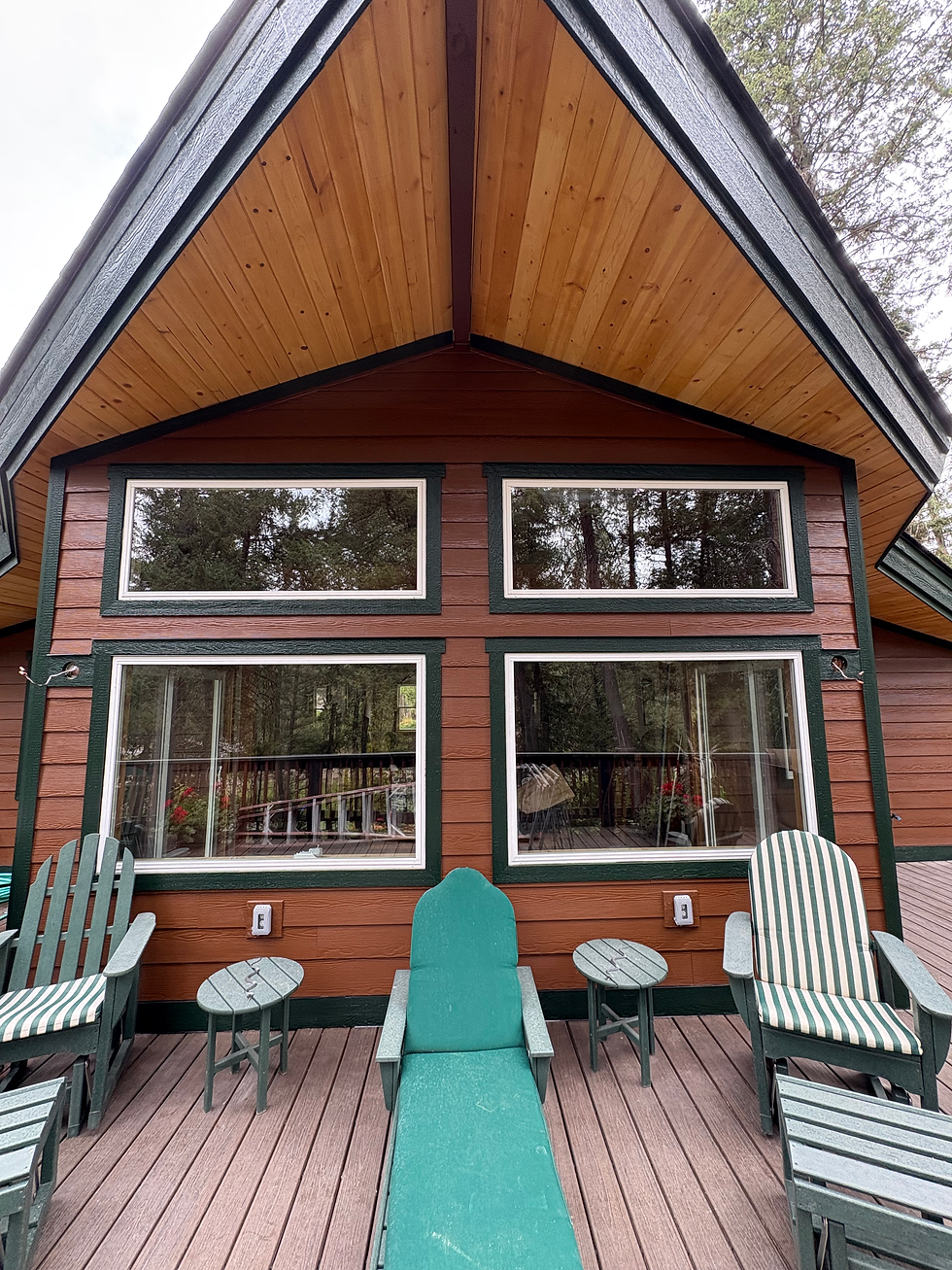
Starting from Scratch: Demolition and Structural Updates
The first step was a complete teardown of the decks and stripping the interior to the studs. This approach allowed us to address any hidden issues like outdated wiring, plumbing, or structural weaknesses. Removing the old decks was essential because they had deteriorated over time and no longer met safety standards.
Inside, the walls, ceilings, and floors were stripped to expose the framework. This gave us a clean slate to install modern systems and materials. We replaced all the roof sheathing and installed a new roof to ensure the cabin was weather-tight and energy-efficient.
Installing Tongue and Groove Ceilings for Warmth and Style
One of the standout features of the remodel is the use of tongue and groove wood ceilings both inside and on the exterior soffits. This choice added texture and warmth, creating a cozy atmosphere that complements the cabin’s rustic setting.
Tongue and groove ceilings are durable and visually appealing. They also help with insulation and soundproofing. On the soffits outside, the wood adds a polished finish that ties the exterior design together with the interior aesthetic.
Complete Interior Remodel: Bathroom, Kitchen, Bedrooms, Living, and Dining
The interior transformation was comprehensive. Each room was redesigned to maximize space, light, and functionality.
Bathroom: We installed modern fixtures, including a walk-in shower with glass doors, a new vanity with storage, and updated lighting. The layout was optimized for comfort and accessibility.
Kitchen: The kitchen was rebuilt with new cabinets, countertops, and energy-efficient appliances. We added a large island for prep space and casual dining, making it a central hub for gatherings.
Bedrooms: Both bedrooms were refreshed with new flooring, built-in closets, and fresh paint. Large windows were added to bring in natural light and lake views.
Living and Dining Rooms: These spaces were opened up to create a seamless flow. We installed new flooring and added built-in shelving for storage and display.
Upgrading Plumbing, Electrical, and Heating Systems
Outdated plumbing and electrical systems were replaced to meet current codes and improve safety. New plumbing lines were installed to support the modern bathroom and kitchen fixtures.
For heating, we chose split units. These systems provide efficient, zoned heating and cooling, allowing for better temperature control throughout the cabin. They are also quieter and less intrusive than traditional HVAC systems, which suits the cabin’s peaceful lakeside environment.
Deck Replacement with Trex Decking and Picket Railing
The old decks were replaced with durable Trex decking, known for its low maintenance and resistance to weather and insects. Trex decking maintains its appearance over time without the need for staining or sealing.
We chose a classic picket railing to enhance safety while preserving the cabin’s traditional look. The railing design complements the natural surroundings and provides a secure boundary for enjoying the lake views.
Practical Tips for Remodeling a Lakeside Cabin
Plan for weather exposure: Use materials like Trex decking and treated wood that withstand moisture and temperature changes.
Maximize natural light: Large windows and open floor plans help bring the outdoors in and make small spaces feel larger.
Update systems early: Replace plumbing and electrical before finishing walls to avoid costly rework.
Choose energy-efficient heating: Split units or mini-splits offer flexible, efficient climate control.
Preserve character: Incorporate wood elements like tongue and groove ceilings to maintain rustic charm.
Final Thoughts on the Remodel Journey
This remodel transformed a dated 1970s cabin into a modern, comfortable retreat that respects its lakeside location. By starting with a full teardown and rebuilding with quality materials and systems, the cabin now offers safety, style, and function for years to come.

Comments